

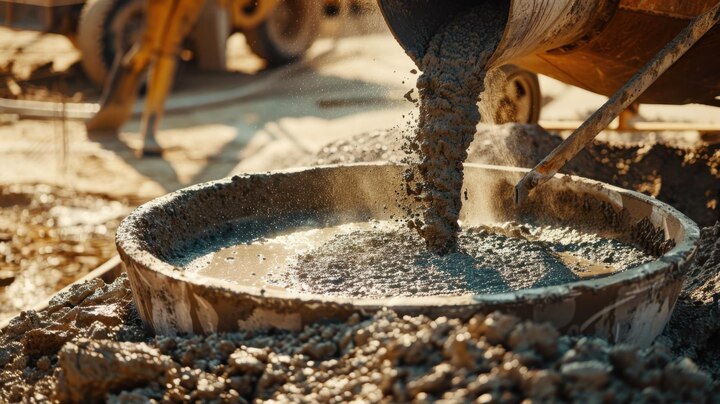
A consistent mortar mix helps masonry crews maintain the same workability, bond, and finish across the job.
Good results depend on the mortar type, sand quality, material proportions, water content, and mixing time. This guide outlines the basic procedure for preparing masonry cement mortar for brickwork, blockwork, and plastering.
The mortar type should match the load, location and exposure conditions of the masonry.
Select the mortar type specified for the project. Where the project specification does not identify a mortar type, consult the project engineer or relevant masonry standard before proceeding.
Type N is a general-purpose mortar for above-grade applications such as interior walls, partitions and exterior brickwork.
Minimum compressive strength: 750 psi at 28 days
Type S provides higher strength for applications such as foundations, load-bearing masonry and exterior work subject to greater lateral loads or exposure.
Minimum compressive strength: 1,800 psi at 28 days
Type M is intended for heavy-duty masonry where high compressive strength is required, including heavily loaded masonry and applications subject to severe exposure or earth pressure.
Minimum compressive strength: 2,500 psi at 28 days
Use clean, well-graded masonry sand free from clay, organic matter, and other contaminants. Contaminated or poorly graded sand can affect mortar workability and bond.
Use clean water suitable for mixing. Add it gradually during mixing so the mortar reaches the required consistency without becoming excessively wet.
Measure cement and sand by volume using the same-sized container for every batch. Consistent measurement keeps the cement-to-sand ratio uniform.
For masonry cement mortar under the ASTM C270 proportion specification:
| Mortar | Masonry Cement | Damp, Loose Sand |
|---|---|---|
| TYPE N | 1 part | 2.25–3 parts |
| TYPE S | 1 part | 2.25–3 parts |
| TYPE M | 1 part | 2.25–3 parts |
A mechanical mixer helps distribute cement, sand and water more evenly, especially when several batches are required.
Start with water. Add approximately two-thirds to three-quarters of the required water to the running mixer.
Add half the sand. Introduce approximately half of the measured sand and allow it to combine with the water.
Add the cement. Add the full quantity of masonry cement and mix for about one minute.
Add the remaining sand. Introduce the balance of the sand gradually while the mixer continues to run.
Adjust the water. Add the remaining water in small amounts until the mortar reaches the required consistency.
After all materials have been added, continue mixing for approximately 3 to 5 minutes.
The finished mortar should be uniform, cohesive and workable. It should spread easily without becoming so wet that it separates or runs from the masonry surface.
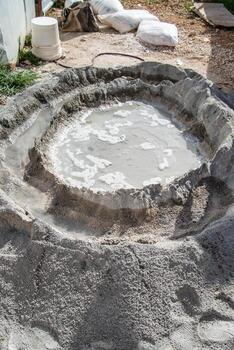
After the initial mixing cycle, allow the mortar to rest for approximately 5 to 10 minutes. This gives the cement and water time to interact before the mortar is put into use.
Remix the mortar for 1 to 2 minutes before application.
Follow the product instructions and project requirements for the permitted working time. If mortar begins to lose workability during the permitted period, add only the amount of water required and remix thoroughly.
Do not add water once the mortar has begun to set. Discard mortar that has passed its permitted working time rather than attempting to restore it.
Temperature and wind affect how quickly fresh mortar loses moisture. Adjust site practices to keep the mortar workable during application.
Hot surfaces, high temperatures, and dry winds can remove water from fresh mortar quickly.
Store cement and sand away from direct sunlight where possible. Keep mixing equipment out of prolonged direct heat and avoid preparing more mortar than the crew can place within its working time.
Where the masonry units are highly absorbent, dampen them according to the project specification before laying the mortar.
Low temperatures slow cement hydration, while freezing can damage fresh mortar before it develops adequate strength.
Keep sand, masonry units and other materials free from ice and snow. Where required by the project specification, use heated mixing water or aggregates to maintain the mortar within the required temperature range.
Protect newly laid masonry from freezing until the mortar has developed sufficient strength.
The mortar should have a uniform appearance and a cohesive texture. It should spread evenly across the masonry unit and remain on the trowel when the trowel is turned.
Compare each new batch with the previous one. A noticeable change in stiffness, colour, texture or workability can indicate a change in material proportions or water content.
For commercial and structural projects, carry out the testing required by the project specification and applicable standards.
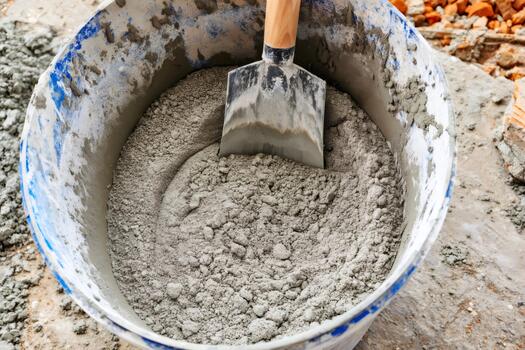
Wet cement-based mortar is alkaline and can cause skin and eye irritation or chemical burns with prolonged contact. Dry cement and sand can also generate dust during handling.
Wear gloves, long sleeves and eye protection when mixing and applying masonry cement. Use suitable respiratory protection where dust cannot be adequately controlled.
Keep clean water available for immediate washing and eye rinsing. Refer to the product Safety Data Sheet (SDS) for specific handling, storage and first-aid instructions.
Copyright © 2026 Ashtech. All rights reserved.