
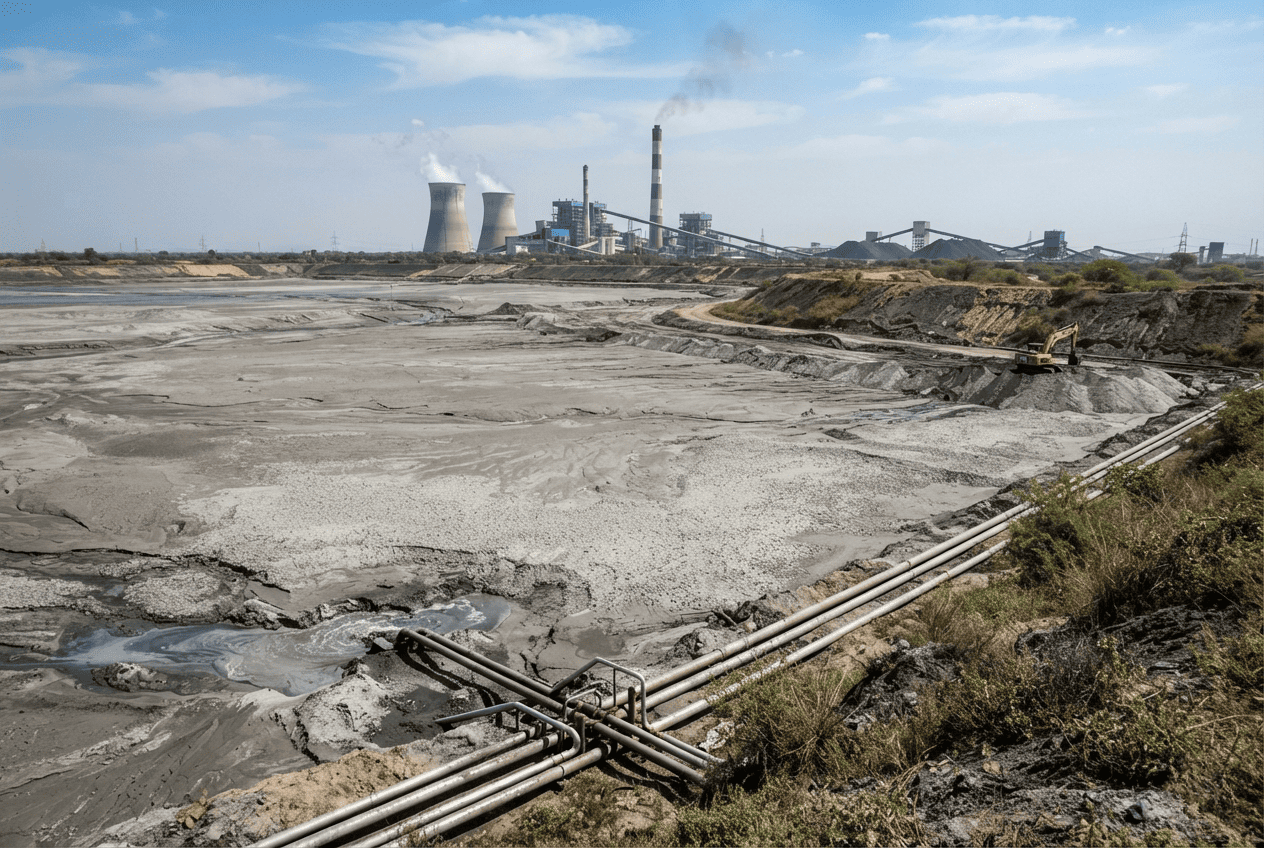
Fly ash is a fine material created when coal is burned in thermal power stations. At extreme furnace temperatures, the mineral matter in the coal melts into tiny droplets, which instantly cool into smooth, round particles.
Special filters capture these particles before they escape into the air. Packed with silica, alumina, and iron, fly ash is a trusted companion to cement, helping make concrete stronger, smoother, and longer-lasting.
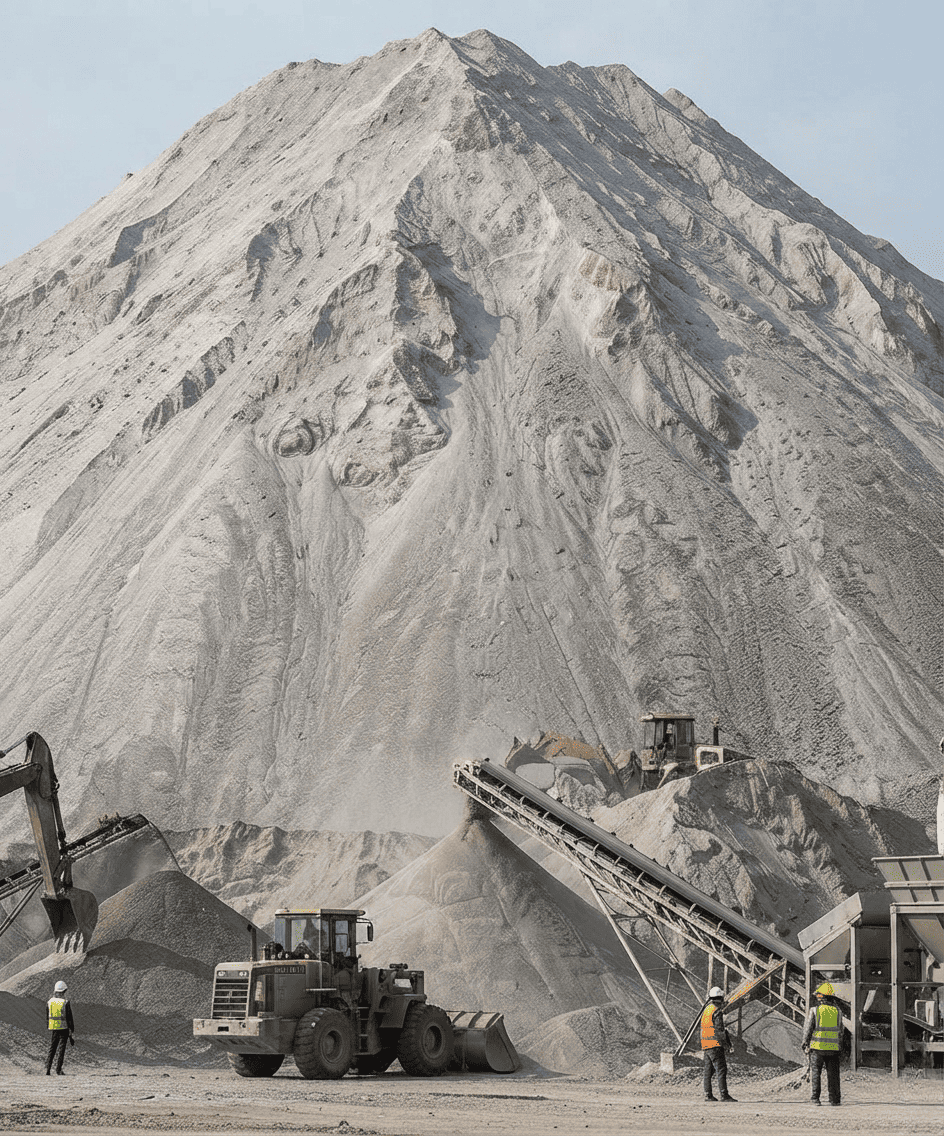
Fly ash makes working with concrete easier and helps buildings stand the test of time. Its tiny, round grains help the mix flow smoothly and pack tightly together, creating a dense, tough shield against wear and tear.
Derived mostly from hard coal (like anthracite or bituminous), Class F fly ash has a lower calcium content. It teams up with Portland cement, reacting with the calcium released during mixing to build extra strength over time.
It is the go-to choice when you need long-lasting durability, steady strength, and lower heat buildup in your pour.
Produced from softer coal (like lignite or sub-bituminous), Class C fly ash carries a higher amount of calcium. This gives it a natural ability to harden all on its own the moment it touches water.
It is ideal for projects that call for quick early strength and self-setting power.
Fly ash is a fine, powdery byproduct of burning pulverized coal in thermal power plants and industrial boilers. Captured dry from exhaust gases, this ash is fine, uniform, and active. Once refined, it becomes a staple ingredient for strong cement, concrete, and masonry.
Gathered from the floor of the boiler furnace, this ash is heavier, rougher, and contains more unburnt carbon. Instead of replacing cement, it shines in heavy-duty jobs like structural fill, road foundations, and land reclamation.
A blend of fly and bottom ash that gets washed and stored in large ponds, its texture and traits can shift depending on how it was stored
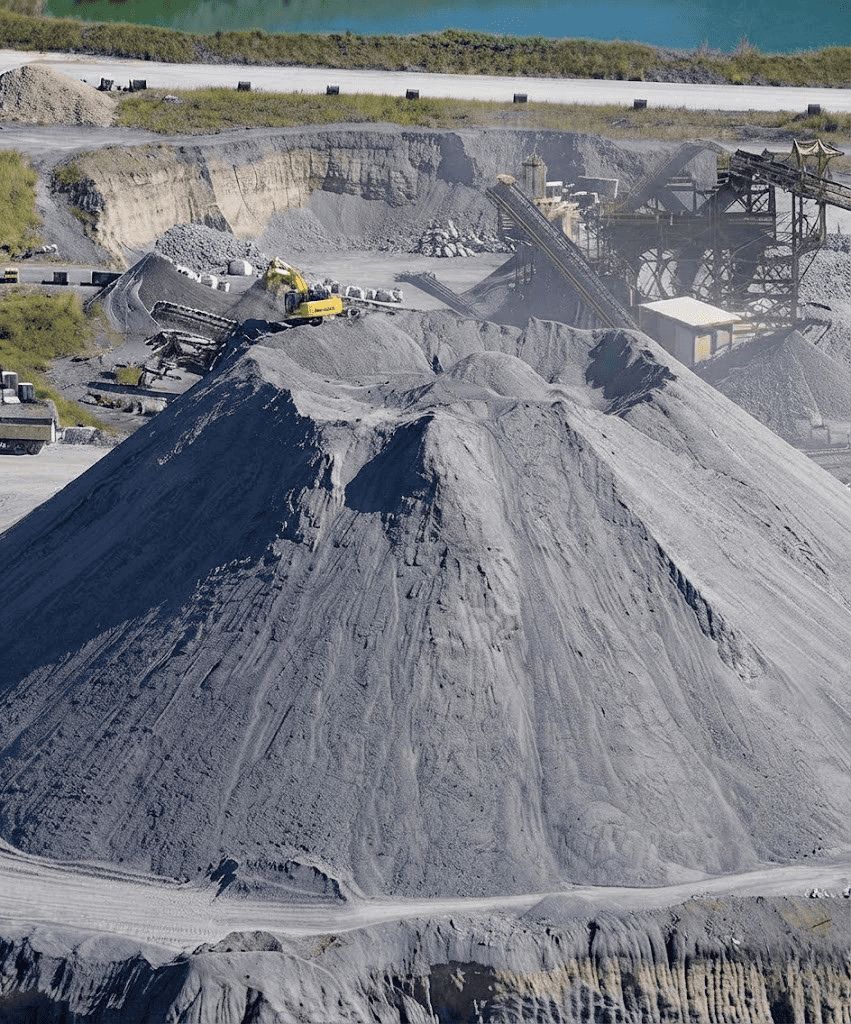
Carefully controlled particle sizes help your concrete flow effortlessly through pumps and into forms while keeping water needs under control.
The internal reaction creates extra binding compounds that tighten up concrete's microscopic pores, locking out moisture, salts, and damaging chemicals.
While ordinary concrete peaks early, fly ash keeps working behind the scenes, boosting structural strength well past the 56- and 90-day marks.
Microscopic particles fill in the tiny gaps between cement and sand, giving you a wonderfully dense matrix.
The rounded shape of the ash particles helps the mix slide smoothly, letting you use less water without losing workability.
Replacing a portion of regular cement with fly ash tempers the heat generated during mixing, making it a lifesaver for massive concrete pours where temperature control is critical.
A denser mix naturally stands guard against moisture, aggressive salts, and everyday corrosion.
Specially designed fly ash mixes shrug off harsh environments prone to salt spray and chemical wear.
High-reactivity ash helps prevent internal cracking caused by reactive aggregates.
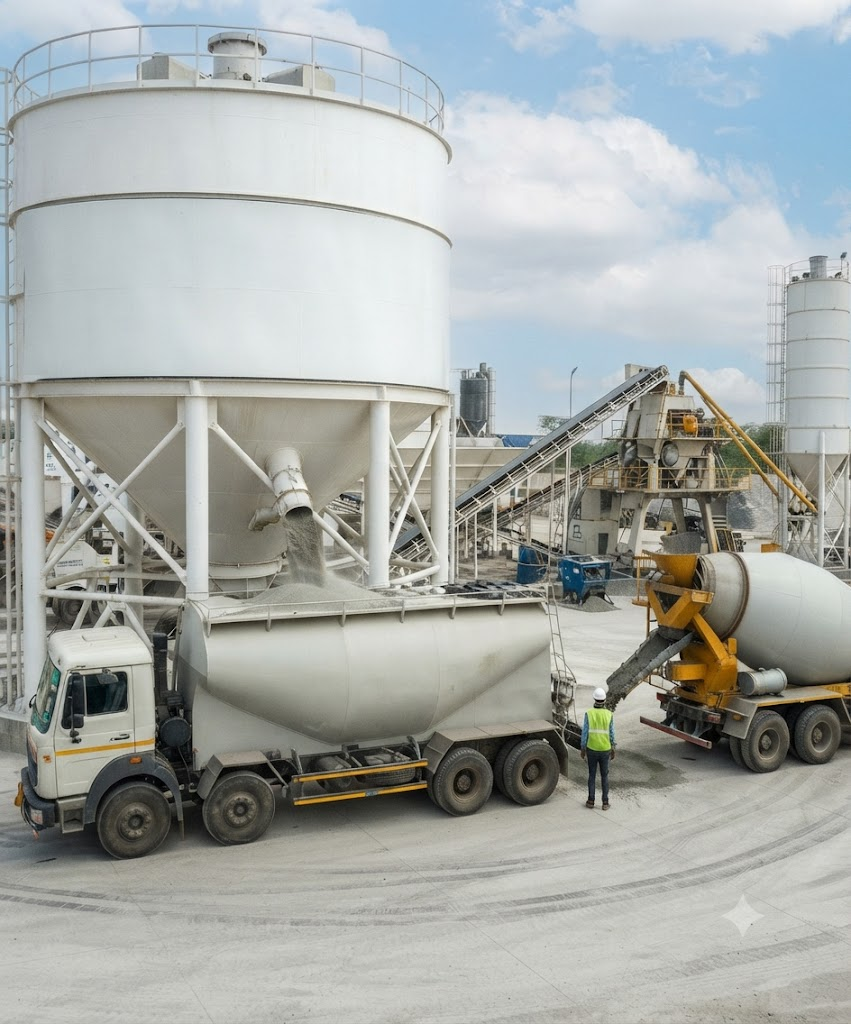
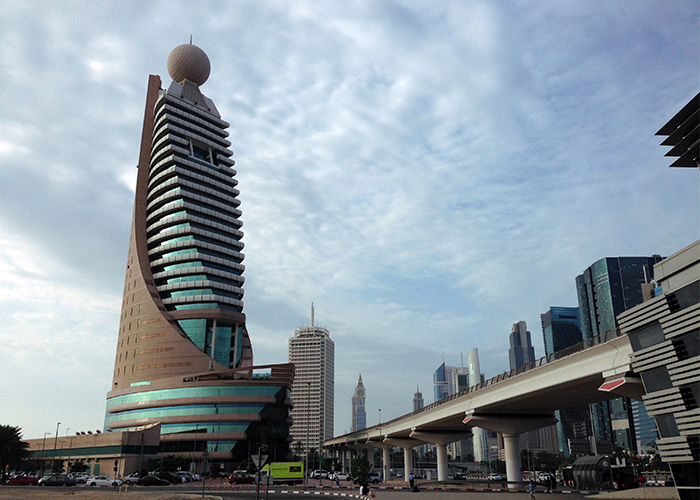
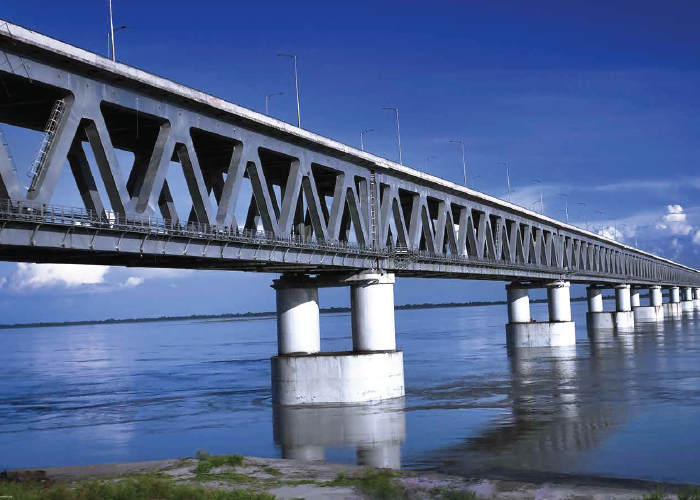
Our fly ash is trusted wherever structural strength, flawless consistency, and decades of durability matter. You will find it hard at work in ready-mix plants, precast yards, and major infrastructure projects.






Copyright © 2026 Ashtech. All rights reserved.